
Author name: yash soman

Destination

Mahalaxmi Temple – Bandora

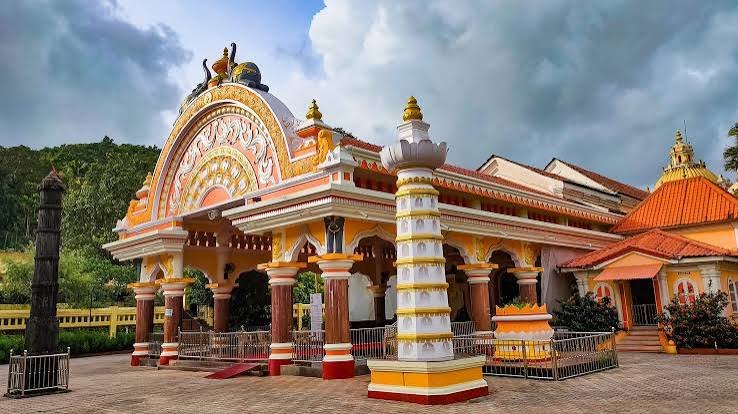
Shri Mahalaxmi Temple (Bandora) Best Places to Visit at Shri Mahalaxmi Temple, Bandora (2026 Guide) | Goa’s Sacred Shakti Shrine & Heritage Pillar Planning a visit to the historic Shri Mahalaxmi Temple in Bandora? Experience centuries of sacred tradition, distinct Goan temple architecture, and tranquil village heritage with our 2026 guide. We cover darshan timings, temple history, the iconic deepastambha, transport directions, and practical travel tips for an easy visit. Nestled in the lush, spice-filled hamlet of Bandora (Bandivade) just 4 km from Ponda, the Shri Mahalaxmi Temple (Shree Saunsthan Mahalaxmi) is one of the most revered Hindu pilgrimage centers in Goa. The temple is dedicated to Goddess Mahalaxmi, the supreme deity of prosperity and divine energy. What makes this temple truly unique across India is the sacred black stone murti of the Devi: she wears a Linga upon Her head, signifying the divine union of Shakti and Shiva. Originally enshrined in the historic village of Colva (Salcete), the sacred idol was secretly smuggled out in the 16th century during the Portuguese Inquisition by two courageous devotees, Sapta and Phato, to protect it from destruction. The deity was sheltered in the independent foothills of Ponda and permanently established in Bandora. Today, the temple complex stands as a stunning example of classic Goan-Konkani architecture, complete with ornate arched facades, a majestic multi-tiered white and black Deepastambha (lamp tower), antique chandeliers, and serene courtyards. Whether you are embarking on a Ponda heritage temple circuit, seeking divine blessings, or admiring Goan sacred art and wooden carvings, this guide breaks down everything you need to know for your 2026 visit. Shri Mahalaxmi Temple Gateway: How to Reach & Nearby Spots Destination / Landmark Distance from Mahalaxmi Temple (Bandora) Distance from MOPA Airport (GOX) Distance from Dabolim Airport (GOI) Best Time to Visit Shri Nagesh Maharudra Temple ~350 meters (Walking distance) ~58 km ~34 km Morning or Evening Ponda Town (KTC Bus Stand) ~4 km ~57 km ~33 km Anytime during the day Shri Ramnathi Temple ~1.5 km ~56 km ~34 km Morning or Evening Shri Shantadurga Temple (Kavlem) ~2.5 km ~59 km ~33 km Morning (9:00 AM – 1:00 PM) Shri Mangueshi Temple (Priol) ~4.5 km ~54 km ~36 km Morning or Evening Old Goa (Basilica of Bom Jesus) ~18 km ~40 km ~26 km 9:00 AM to 5:00 PM Madgaon Railway Station (MAO) ~22 km ~65 km ~28 km Anytime during train hours Panaji City (Fontainhas) ~28 km ~44 km ~30 km Late Afternoon / Evening Getting to Shri Mahalaxmi Temple By Self-Drive Scooter or Car: Bandora is located just off the Panaji–Ponda (NH748) and Margao–Ponda highways. The village approach roads are well-tarred and framed by swaying betel nut and coconut plantations. The temple features spacious, dedicated parking grounds for both two-wheelers and four-wheelers directly opposite the main entrance gate. By Taxi & Cab Services: You can book standard tourist taxis or use GoaMiles from anywhere in North or South Goa. Most travelers include Bandora as part of a classic “Ponda Temple Circuit” day tour, pairing Mahalaxmi Temple with nearby Mangueshi, Shantadurga, Nageshi, and Sahakari Spice Farm. By Bus: Take a Kadamba (KTC) shuttle bus from Panaji or Margao to the Ponda KTC Bus Stand. From Ponda bus stand, local buses, pilot motorcycles, and auto-rickshaws frequently ply the short 4 km route to Bandora. By Train: Madgaon Junction (MAO): The closest major rail hub, located about 22 km south (around 45 minutes by taxi). Karmali (KRMI): Roughly 20 km away via Old Goa (around 35 to 40 minutes drive). Thivim (THVM): Roughly 48 km north. By Air: Dabolim Airport (GOI): About 34 km southwest (roughly 50 to 60 minutes via the Zuari bridge route). Manohar International Airport, MOPA (GOX): About 60 km north (around 1 hour and 30 minutes via NH66). Pro Tip: Visit during the morning Aarti around 11:30 AM to 12:00 PM. You can participate in the sacred midday prayer, enjoy the peaceful temple chants, and witness the golden ornaments adorning the Devi before the inner sanctum closes briefly for afternoon rituals. Top Temple Highlights The Sacred Garbhagriha View More The Multi-Tiered Deepastambha View More The Sabhamandapa View More Grand Festival Celebrations View More FAQ Frequently Asked Questions What are the darshan and temple opening timings?   The temple is open daily from 6:00 AM to 8:30 PM. The morning pooja takes place from 7:00 AM to 11:30 AM, midday pooja with Maha Aarti is at 12:00 PM, and the evening aarti is performed at 8:00 PM. Is there an entry fee to visit the temple?   No, entry is completely free for all visitors. Devotees can purchase optional archana or pooja receipts at the temple administration counter. Is there a dress code for entering Shri Mahalaxmi Temple?   Yes. Modest traditional attire is strictly expected. Shorts, sleeveless tops, miniskirts, and beachwear are not permitted inside the sanctum premises. Men are recommended to wear dhotis, kurtas, or full-length trousers, while women should wear sarees, salwar suits, or long modest dresses. How much time is needed to visit the temple?   Plan for roughly 45 minutes to 1 hour for peaceful darshan, pradakshina around the deepastambha, and exploring the temple hall. If you are combining it with neighboring Nageshi Temple (just a 5-minute walk away), set aside 1.5 to 2 hours total.
Destination

Divar Island

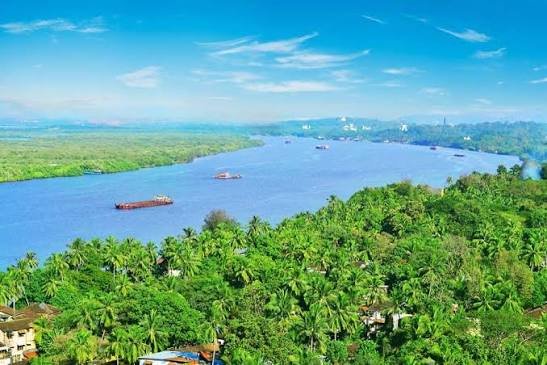
Divar Island Best Places to Visit on Divar Island (2026 Guide) | Goa’s Peaceful River Island & Heritage Haven Planning an offbeat escape to Divar Island? Experience the vintage charm, winding village roads, and serene backwaters of this untouched river island with our 2026 guide. We cover ferry boarding points, heritage church lookouts, vintage Portuguese mansions, transport directions, and practical tips for an easy day trip. Set amidst the Mandovi River just upstream from Panaji and Old Goa, Divar Island is one of Goa’s best-kept secrets. Untouched by the bustling commercial party culture of the coast, Divar feels like stepping into a bygone era. The island is accessible only by government roll-on/roll-off (Ro-Ro) vehicle ferries. Once you step off the ferry ramp, you are greeted by narrow roads winding through lush emerald paddy fields, centuries-old Portuguese-era houses, whitewashed hilltop chapels, and calm riverbanks. Whether you are looking for a scenic self-drive scooter exploration, a deep dive into Indo-Portuguese architecture, birdwatching across mangrove channels, or a quiet sunset view away from the crowds, this guide breaks down everything you need to know for your 2026 visit. Divar Island Gateway: How to Reach & Nearby Spots Destination / Landmark Distance from Divar Island (Piedade Ferry Point) Distance from MOPA Airport (GOX) Distance from Dabolim Airport (GOI) Best Time to Visit Old Goa (Basilica of Bom Jesus) ~3 km (via Viceroy’s Arch Ferry) ~33 km ~27 km Morning (9:00 AM – 12:30 PM) Panaji City (Fontainhas) ~12 km (via Ribandar Ferry) ~35 km ~29 km Late Afternoon (3:30 PM – 6:30 PM) Chorão Island (Salim Ali Sanctuary) ~7 km (via Naroa Ferry) ~30 km ~35 km Early Morning (7:00 AM – 10:00 AM) Karmali Railway Station (KRMI) ~6.5 km (via Old Goa Ferry) ~35 km ~24 km Anytime during train hours Baga / Calangute Beach Strip ~24 km (via Ribandar Ferry) ~34 km ~44 km Morning or Evening Thivim Railway Station (THVM) ~25 km ~27 km ~48 km Anytime during train hours   Getting to Divar Island (The Ferry Route) Divar Island has no connecting road bridge to the mainland; it is reached exclusively via river ferry terminals operated by the River Navigation Department (RND): From Old Goa / Viceroy’s Arch (Most Popular): Head to the Old Goa ferry ramp located right behind the historic Viceroy’s Arch. Ferries depart every 15 minutes and take only 5 to 7 minutes to cross the river to Divar’s southern jetty (Piedade/Goltim). From Ribandar (Closest from Panaji): If coming directly from Panaji, drive 5 km down the picturesque Ribandar causeway to the Ribandar Ferry Ramp. Board the ferry directly across to the southwestern side of Divar. From Naroa / Bicholim (Northern Entry): For travelers coming from North Goa (Bicholim or Sanquelim), the Naroa ferry crosses into Divar’s northern tip, close to the ancient Saptakoteshwar ruins. Ferry Costs & Vehicles: Pedestrians & Bicycles: Completely Free. Two-Wheelers (Scooters/Bikes): Minimal government toll (~₹5 to ₹10). Four-Wheelers (Cars): Roughly ₹10 to ₹20 per car. Note: Ferries are roll-on/roll-off, meaning you drive your car or scooter directly onto the deck, enjoy the breezy river crossing, and drive straight off onto the island roads. By Train & Flight: Closest Railway Station: Karmali (KRMI) is just 6.5 km from the Old Goa ferry jetty (a 12-minute taxi or auto ride). Airports: Dabolim (GOI) is roughly 27 km away via Old Goa; MOPA (GOX) is roughly 33 km away via Bicholim/Naroa. Pro Tip: Rent an electric bicycle or an Activa scooter before boarding the ferry. Divar’s interior roads are narrow, exceptionally quiet, and framed by green tree canopies, making two wheels the absolute best way to soak in the countryside without worrying about parking or tight passing turns.   Top Divar Island Highlights Our Lady of Compassion Church View More Ancient Saptakoteshwar Temple Ruins & Step-Tank View More Piedade & São Matias Heritage Village Walks View More The Sluice Gates (Manos) & Khazan Lands View More Bonderam Festival Ground (Malar) View More FAQ Frequently Asked Questions Are there restaurants and places to eat on Divar Island?   Yes, but they are quiet, unpretentious local spots rather than commercial beach shacks. Places like Rock Island Bar & Restaurant and local village bakeries/bars serve fresh Goan fish thalis, prawn curry rice, and snacks. Carry cash, as digital network connectivity can occasionally fluctuate inside smaller family-run eateries. Do vehicle ferries run continuously to Divar?   Yes. Government ferries operate from around 6:00 AM until late at night (usually midnight) at regular 15- to 20-minute intervals. Services run all 365 days of the year, including during the monsoon season. How much time is needed to explore Divar Island?   Plan for roughly 3 to 4 hours for a relaxed half-day trip. This gives you plenty of time to take the ferry across, visit the hilltop church, stop by the heritage villages, photograph the river views, and enjoy a traditional Goan-style lunch at a local tavern. Is Divar Island crowded during peak tourist seasons?   Not at all. Even during peak December and January weekends when coastal beaches like Baga and Calangute are packed, Divar remains quiet, slow-paced, and peaceful, making it one of the best offbeat rural experiences in Central Goa.

Destination

Baga Beach

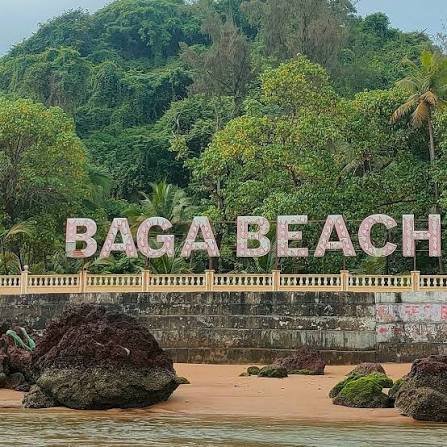
Baga Beach Best Places to Visit at Baga Beach (2026 Guide) | North Goa’s Capital of Watersports & Nightlife Planning a trip to Baga Beach? Experience the lively energy, water adventures, and buzzing nightlife of North Goa with our 2026 guide. We cover beach shacks, watersports pricing, Tito’s Lane clubs, transport directions, and practical travel tips for an easy visit. Stretching along the North Goa coastline between Calangute and the Baga River, Baga Beach is one of the most famous and energetic beach destinations in India. By day, the wide sandy shoreline is packed with sun loungers, beach shacks serving fresh seafood, and speedboats launching into the Arabian Sea for parasailing, jet skiing, and banana rides. By night, the focus shifts to Tito’s Lane and the beachfront, where ambient lights, beach shacks, live music, and open-air dance clubs keep the coast awake till the early morning hours. Whether you are looking for water adventures with friends, a relaxed afternoon under a shack umbrella with chilled drinks, or high-energy clubbing, this guide breaks down everything you need to know for your 2026 visit. Baga Beach Gateway: How to Reach & Nearby Spots Destination / Landmark Distance from Baga Beach Distance from MOPA Airport (GOX) Distance from Dabolim Airport (GOI) Best Time to Visit Tito’s Lane (Nightclubs) ~200 meters (Walking distance) ~29 km ~41 km 9:00 PM to 3:00 AM Calangute Beach ~2 km (Walk or drive) ~30 km ~40 km Morning or Evening Anjuna Beach ~7 km (via Arpora) ~28 km ~45 km 4:30 PM (Sunset / Flea Market) Aguada Fort ~10 km ~34 km ~43 km 9:30 AM to 5:00 PM Thivim Railway Station (THVM) ~19 km ~28 km ~48 km Anytime Panaji City (Fontainhas) ~16 km ~35 km ~30 km Afternoon or Evening Getting to Baga Beach   By Self-Drive Scooter or Car: Renting an Activa (roughly ₹350–₹500/day) or a self-drive car is the most practical way to reach Baga. Follow the Calangute–Baga main road down to the beach circle. Note that the narrow lanes close to Tito’s Lane get heavily congested after 7:00 PM, so use the designated paid public parking lots near the Baga bridge or behind the beach market. By App-Based Rides & Tourist Taxis: You can book standard Goa tourist taxis from any resort or railway station, or use the GoaMiles app. Set your drop-off point to “Baga Beach Circle” or “Tito’s Lane Entrance.” Taxis cannot drive directly onto the sand, so you will take an easy 2-minute walk from the drop point right onto the beach. By Train: The closest major railway station is Thivim (THVM), located roughly 19 km away (about 40 to 45 minutes by taxi). If your train only stops at Madgaon Junction (MAO) in South Goa, it is approximately 50 km away (a 1.5-hour taxi drive). By Air: Manohar International Airport, MOPA (GOX): About 29 km north (around 45 to 55 minutes drive via NH66). This is the most convenient airport for North Goa. Dabolim Airport (GOI): About 41 km south (around 1 hour and 15 minutes drive via the Atal Setu bridge). Pro Tip: If you want to do watersports without dealing with massive crowds or boat queues, hit the beach between 8:30 AM and 10:30 AM. The sea is usually calmer in the morning, ticket operators offer better package rates before afternoon peak hours, and the sun is much gentler on your skin. Top Baga Beach Highlights Baga Beach Watersports Hub View More Tito’s Lane & Legendary Nightlife View More Iconic Beach Shacks View More Baga Creek & Estuary Walk View More Baga Flea Market & Street Shopping View More FAQ Frequently Asked Questions How much do watersports cost at Baga Beach?   Individual rides usually range from ₹400 to ₹1,000 each (such as jet skiing or parasailing). Most travelers choose a combined 5-in-1 combo package (Parasailing with boat dip, Jet Ski, Banana Ride, Bumper Ride, and Speedboat), which generally costs between ₹1,500 and ₹2,200 per person depending on seasonal demand. Is Baga Beach safe for night walking and solo travelers?   Yes. Baga is one of the most populated, well-lit, and actively patrolled beaches in Goa. The main stretch and Tito’s Lane stay crowded with families, couples, and groups until 2:00 to 3:00 AM. As on any beach, avoid swimming in the sea after dark or walking into unlit rocky areas near the creek late at night. What is the best time of year to visit Baga Beach?   The best season runs from October to April, when the weather is pleasant, all seasonal beach shacks are fully built, and watersports run daily. During the monsoon season (June to September), watersports are shut down by the government for safety, swimming is prohibited due to high waves, and temporary shacks are dismantled. Can we swim in the sea at Baga Beach?   Yes, during the non-monsoon months (October through May), swimming is safe within the demarcated flags. Professional Drishti Marine lifeguards are stationed along the beach from 7:00 AM until sunset. Always follow their flag warnings (red flags mean dangerous currents; avoid entering the water).

Scroll to Top